
HxD Mentor Day helps healthcare startups perfect their pitch for 2026.
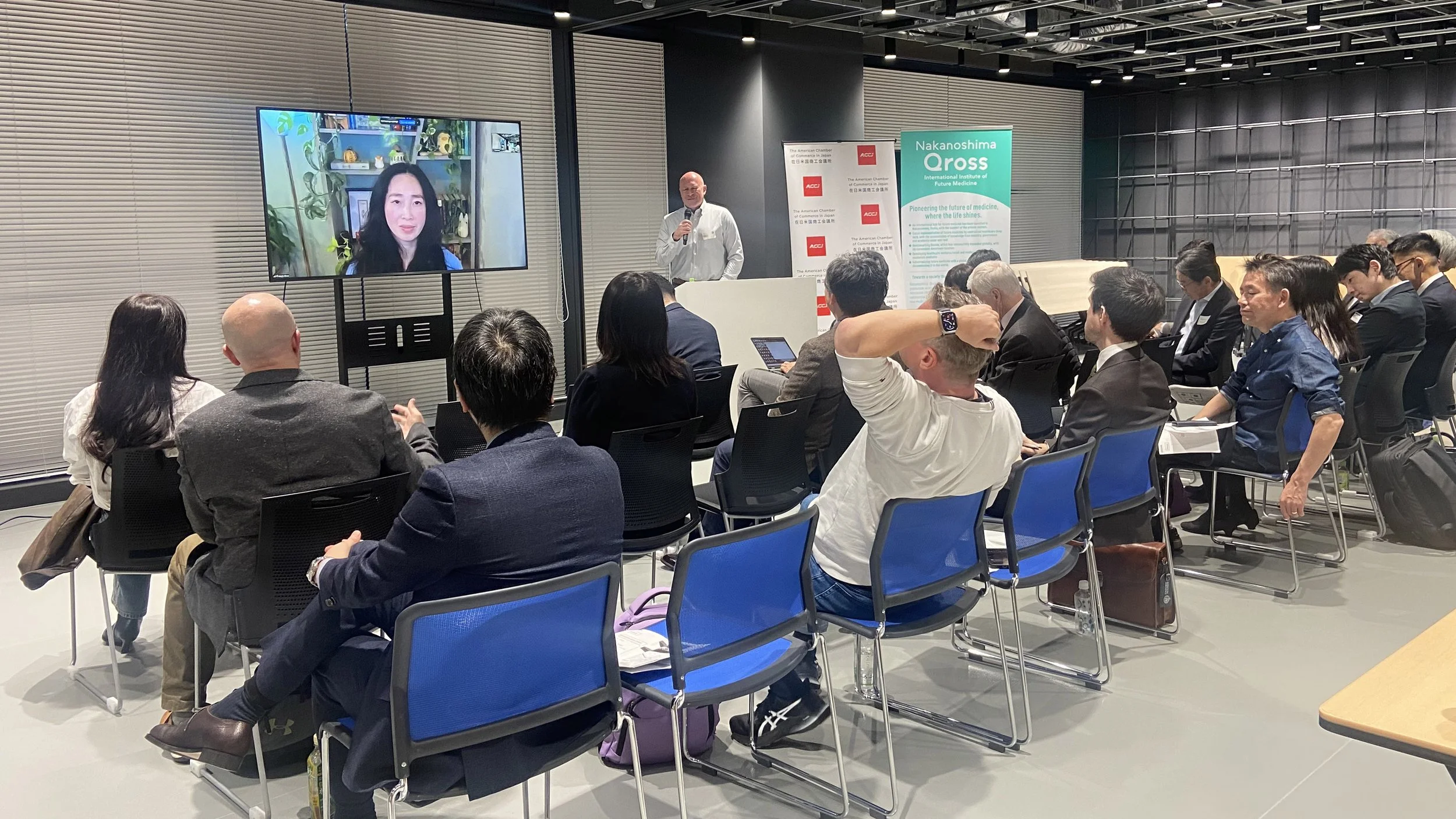
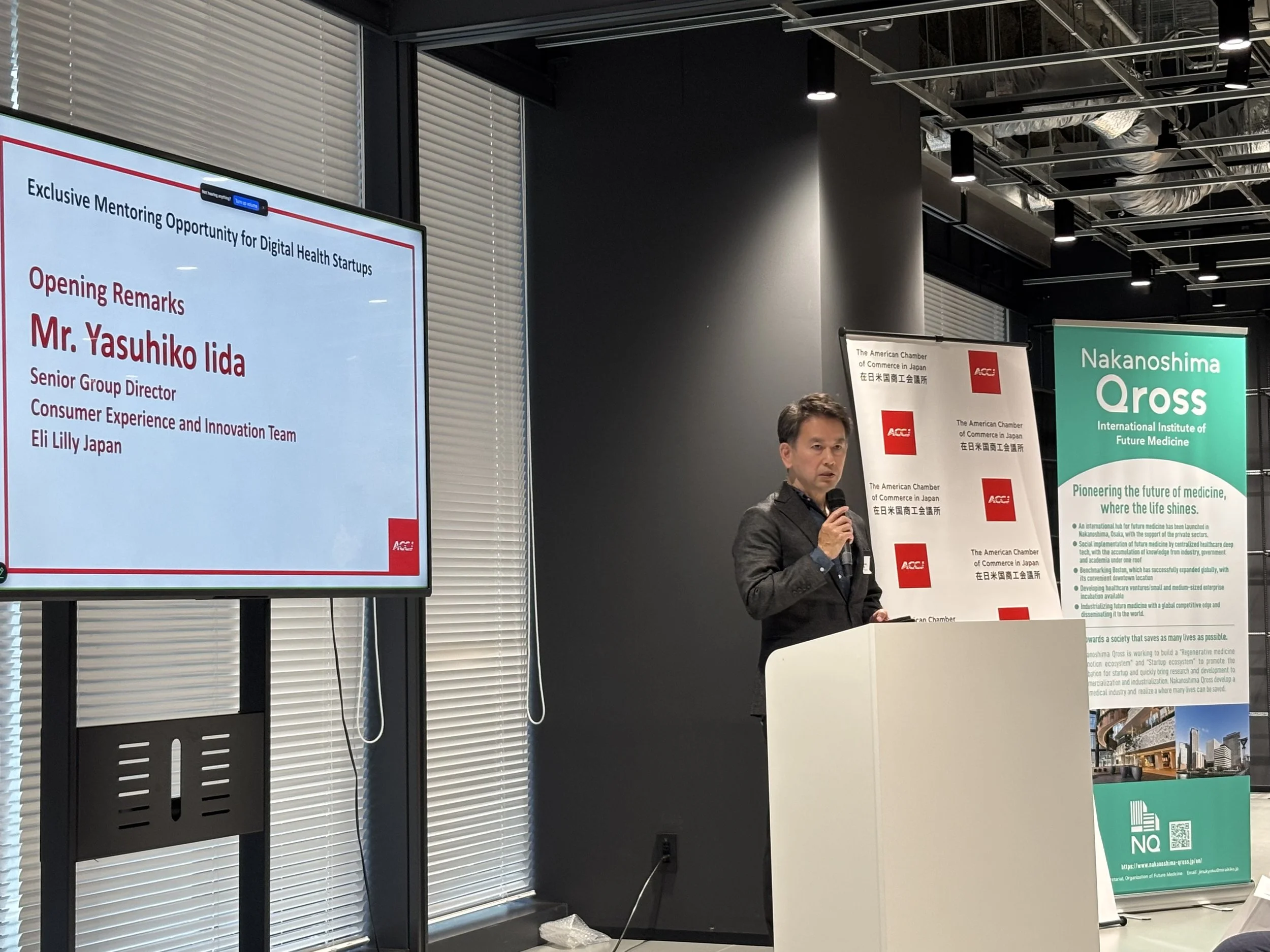
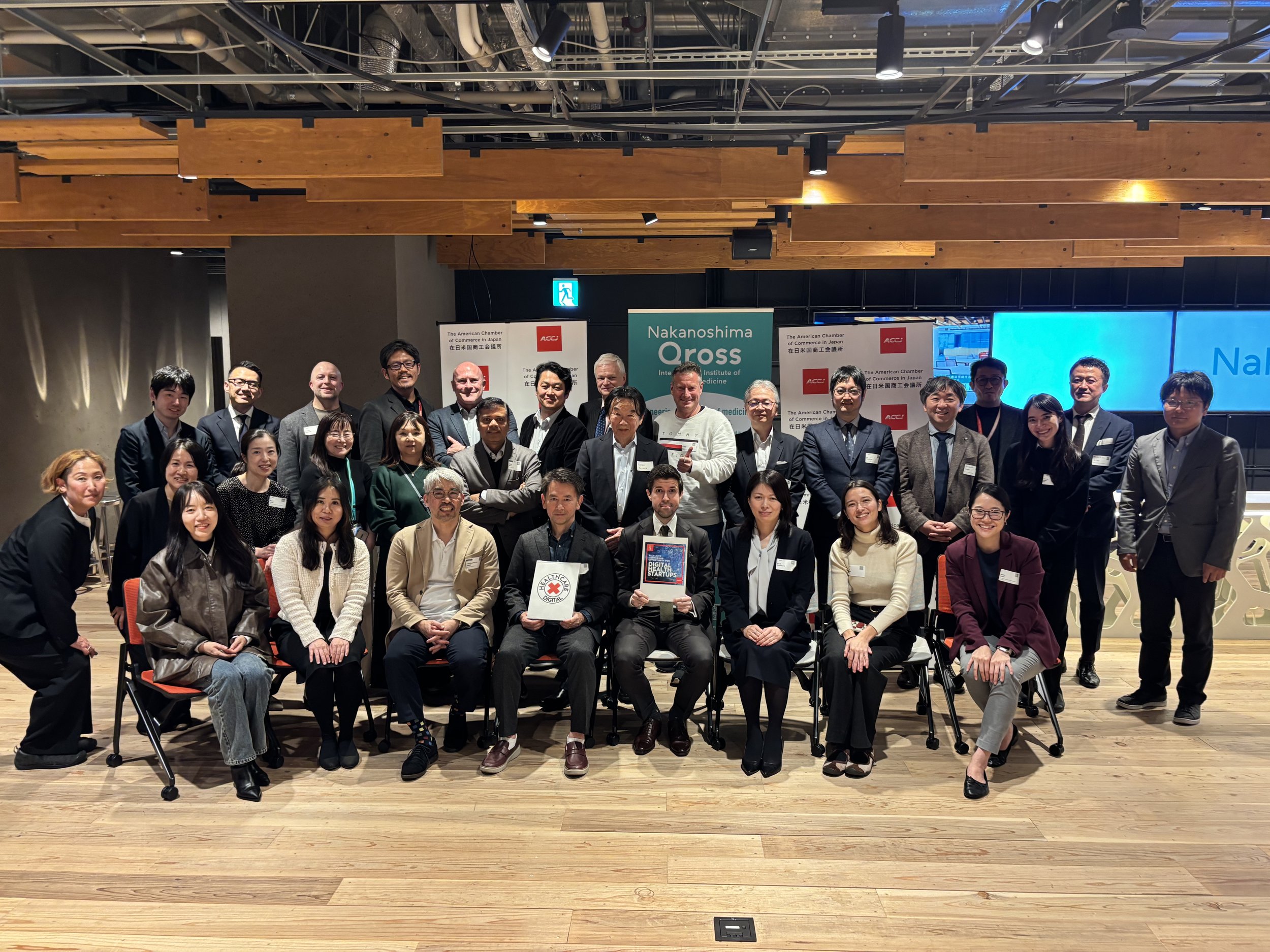
The ACCJ Healthcare x Digital (HxD) initiative reached a new milestone on December 2 with its first-ever exclusive mentorship event for healthcare startups at Nakanoshima Qross in Osaka. Instead of pitching onstage, founders spent the afternoon strengthening their narratives—then pressure-testing them in small-group mentoring sessions with industry experts.
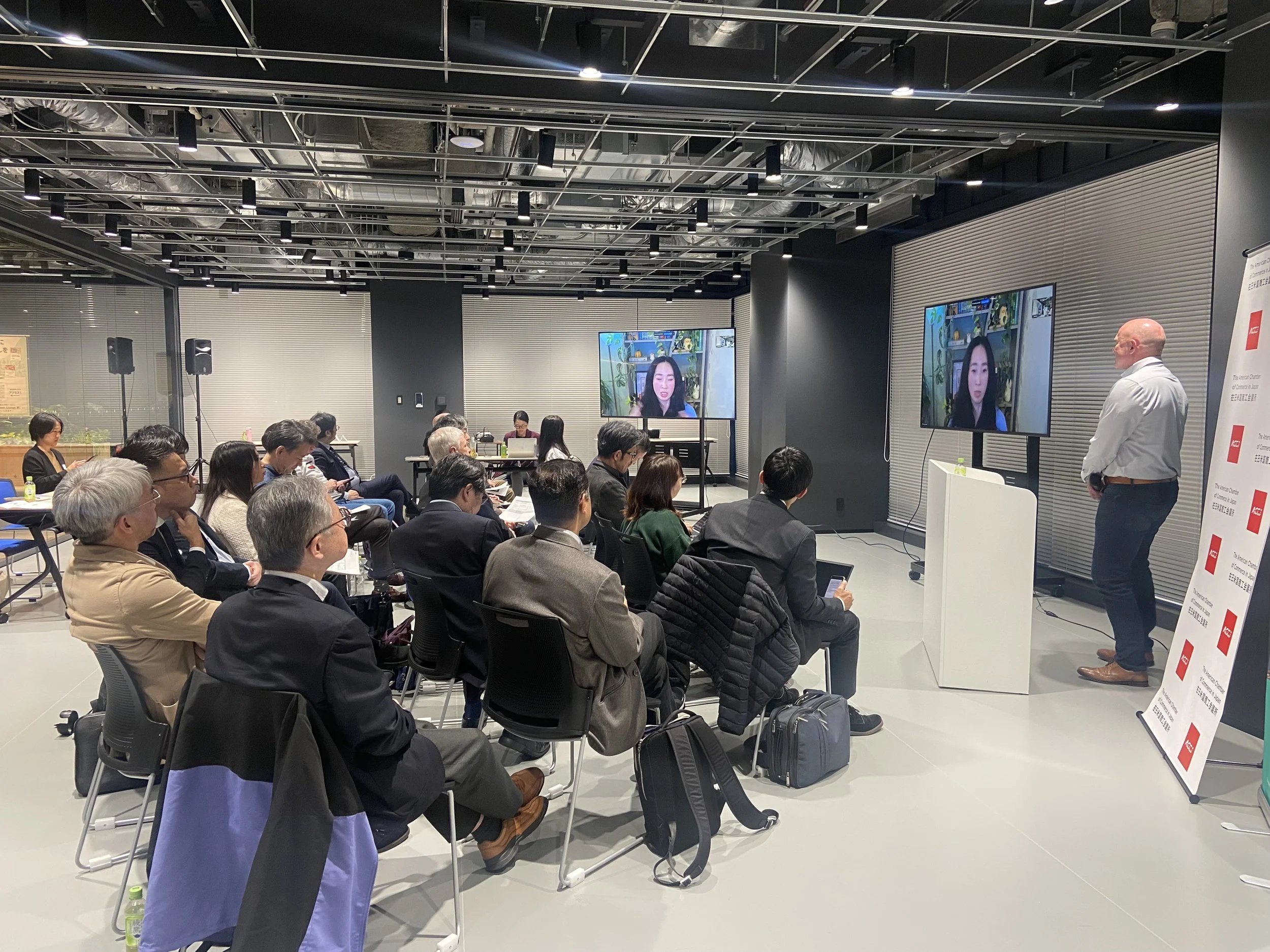
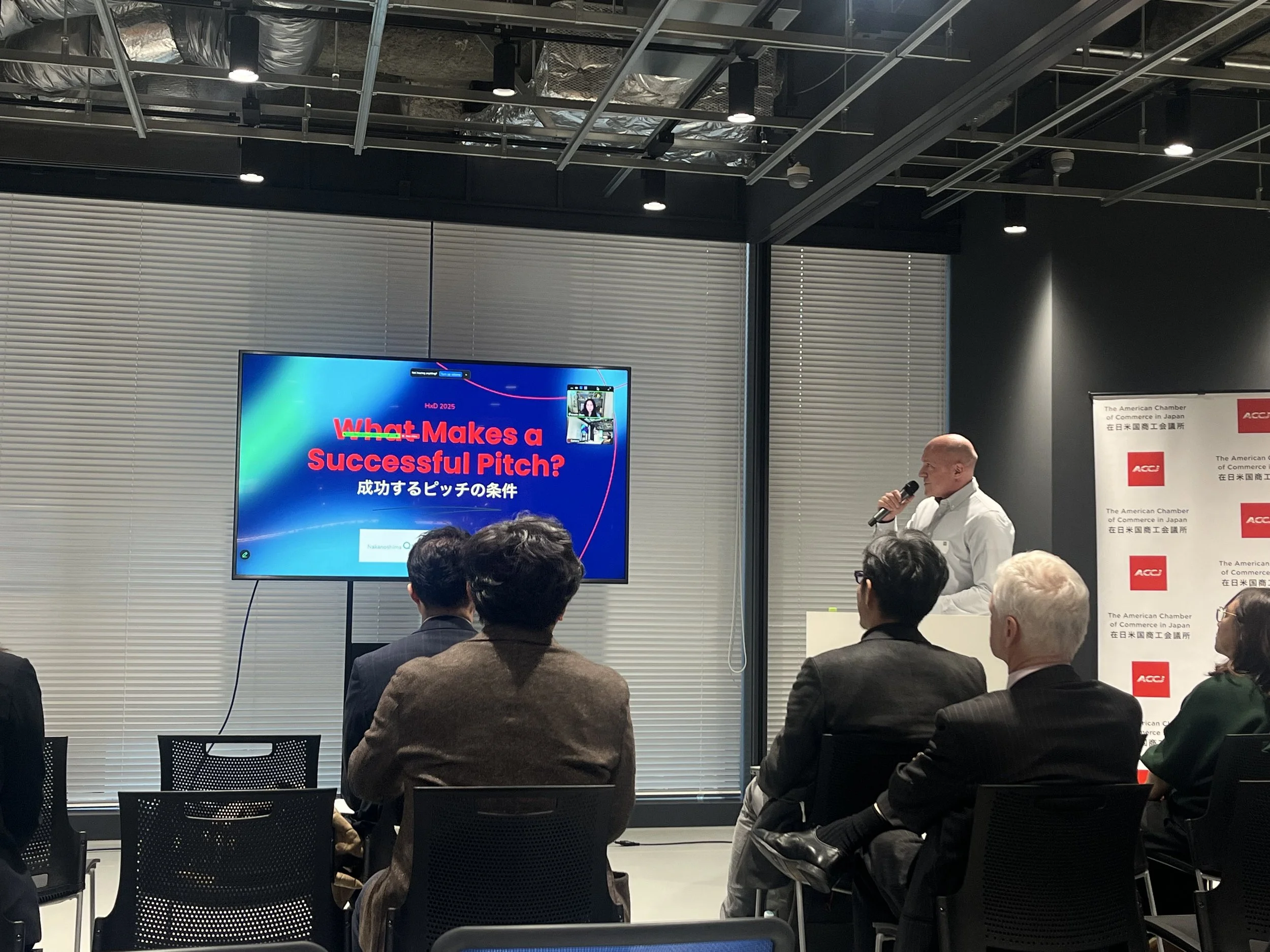
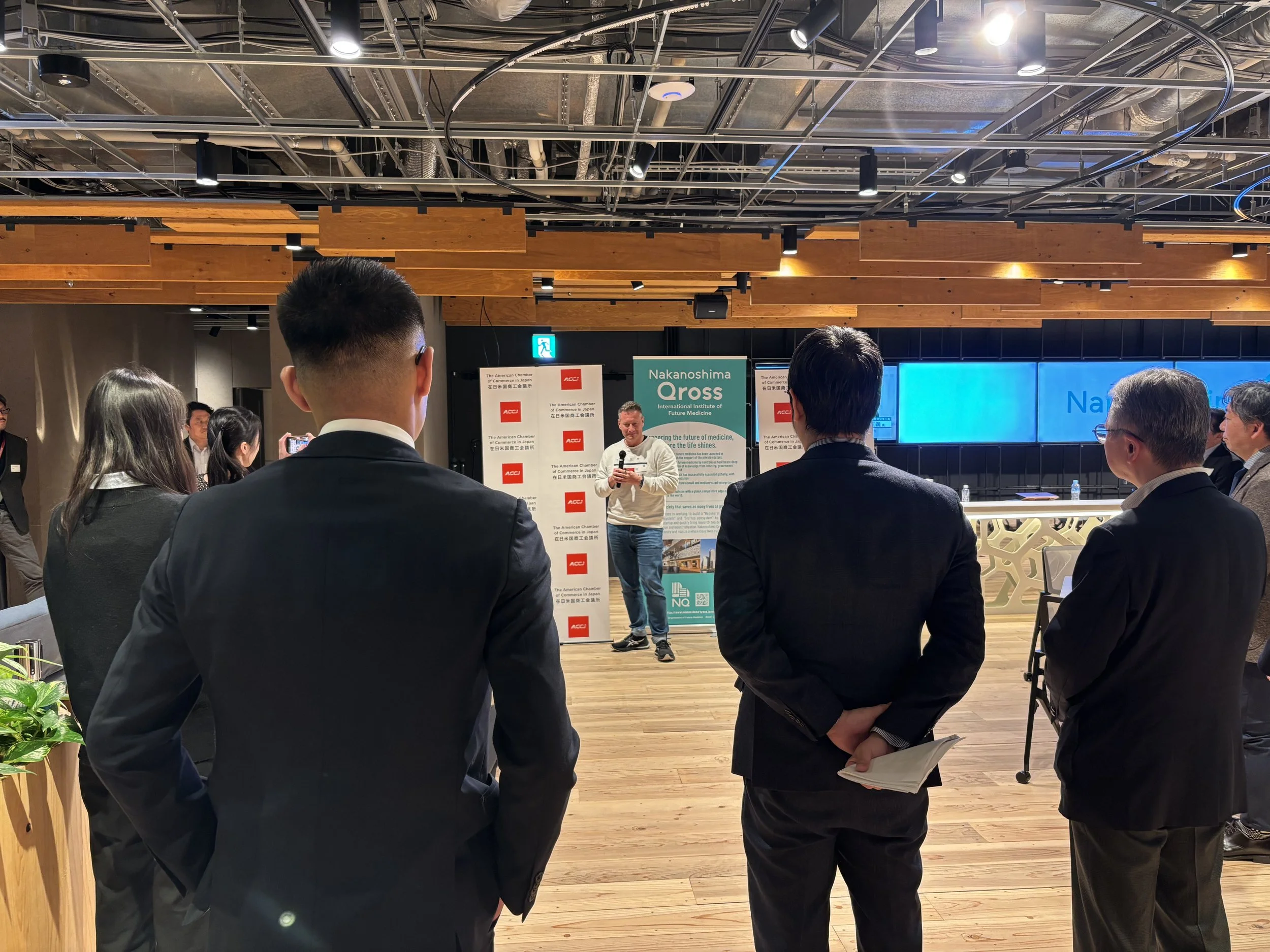
The program opened with a workshop led by Christian Boettcher, managing partner at Takaraya Capital and formerly a senior partner and APAC sector leader consulting partner for healthcare and life sciences at EY Strategy & Consulting. He was joined remotely by Kristin Chen, a Silicon Valley product leader, fractional chief executive (CxO), and adviser with more than 15 years’ experience at LinkedIn, Twitch, Pinterest, and multiple startups.
Their joint message? A compelling pitch starts with clarity, discipline, and a strong grasp of what investors listen for in the first minute.
Expanding the Model
HxD is an initiative team within the ACCJ–Kansai chapter’s Healthcare Committee. It connects academia, startups, corporates, and government around three themes:
- The hospital of the future
- Patient data empowerment
- Urban–rural healthcare equity
Since 2020, HxD has hosted pitch competitions and ideathons; the December Mentor Day introduced a more intimate format designed to help founders refine their thinking ahead of the 2026 HxD Pitch Competition.
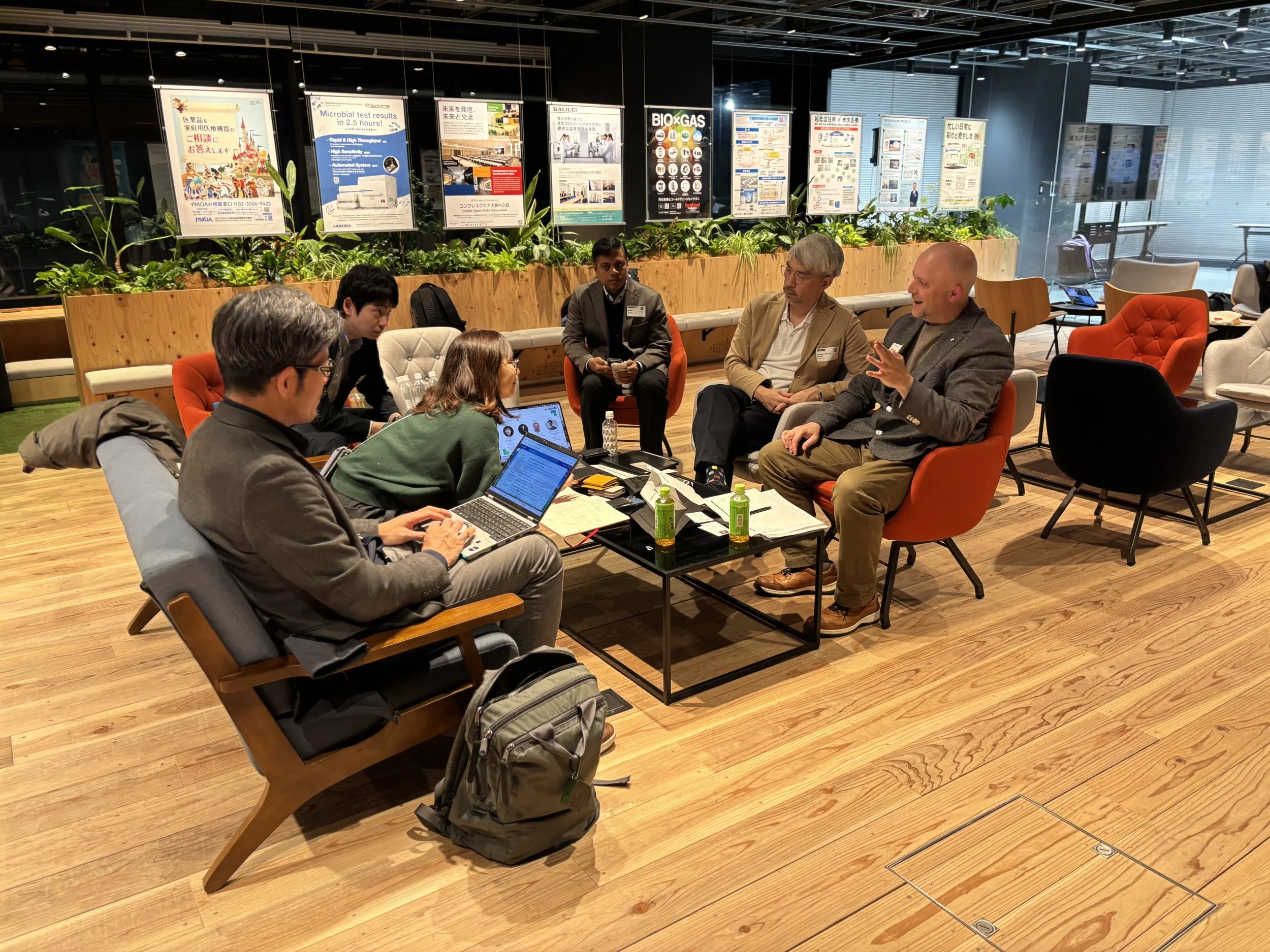
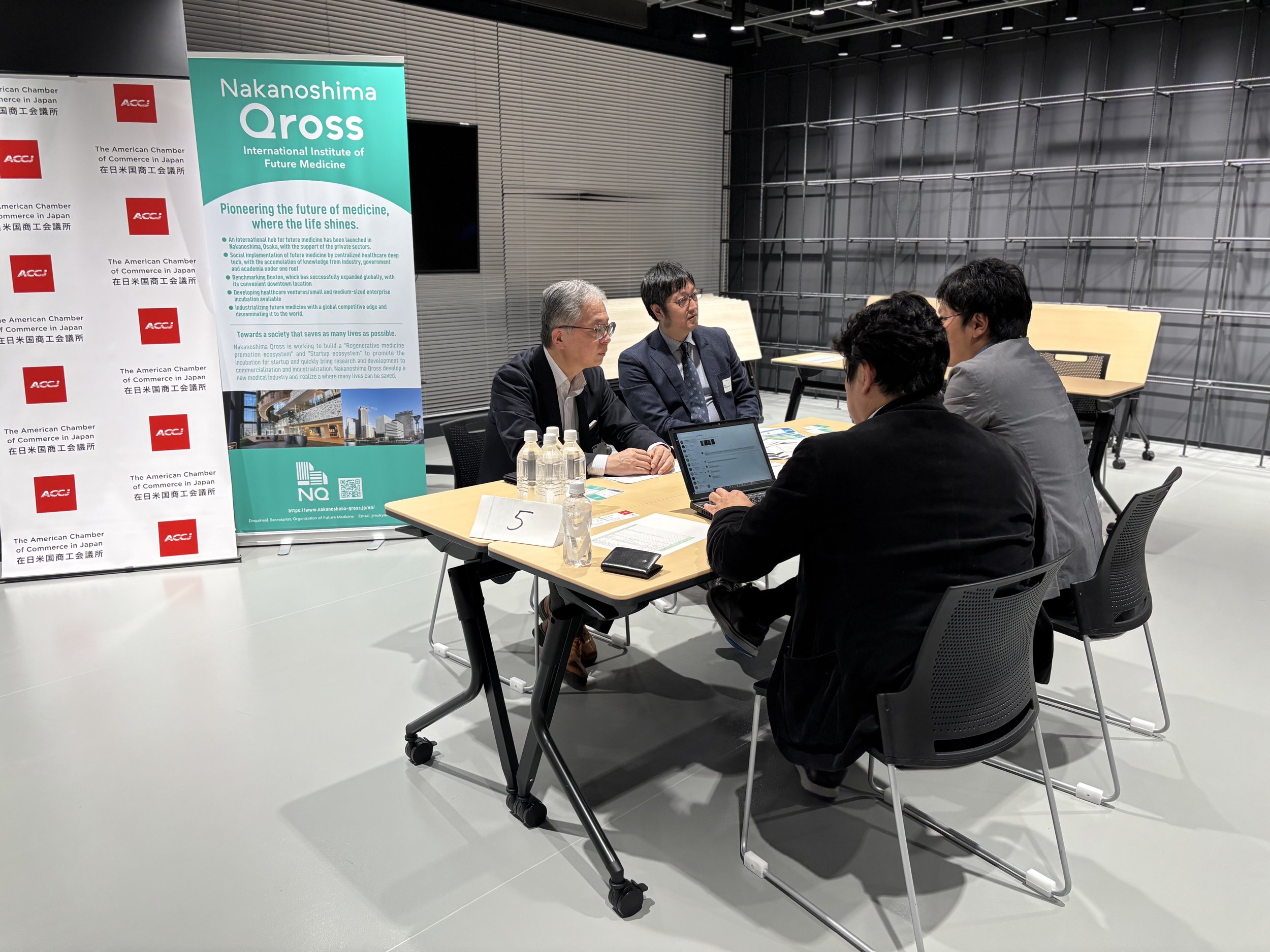
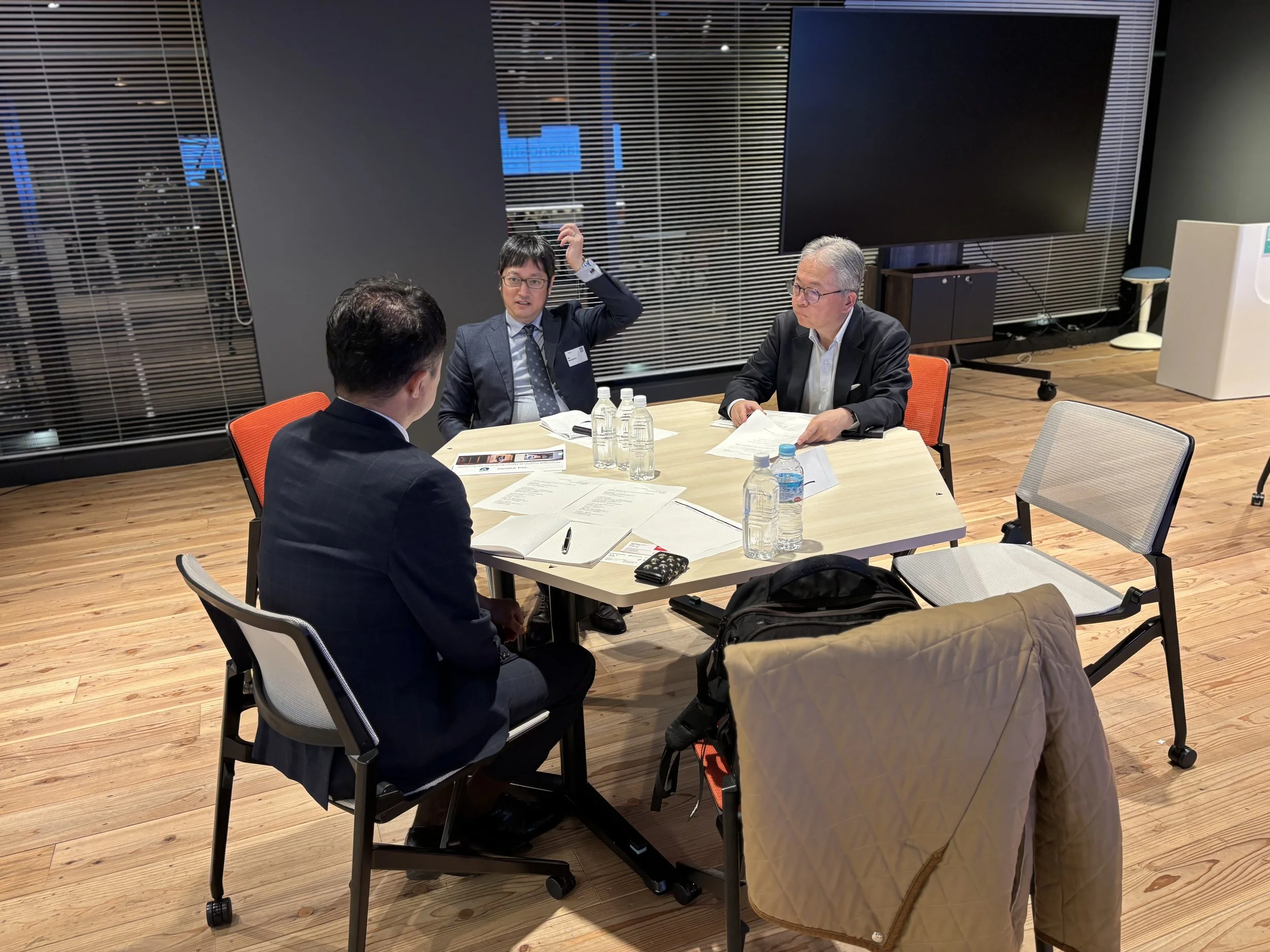
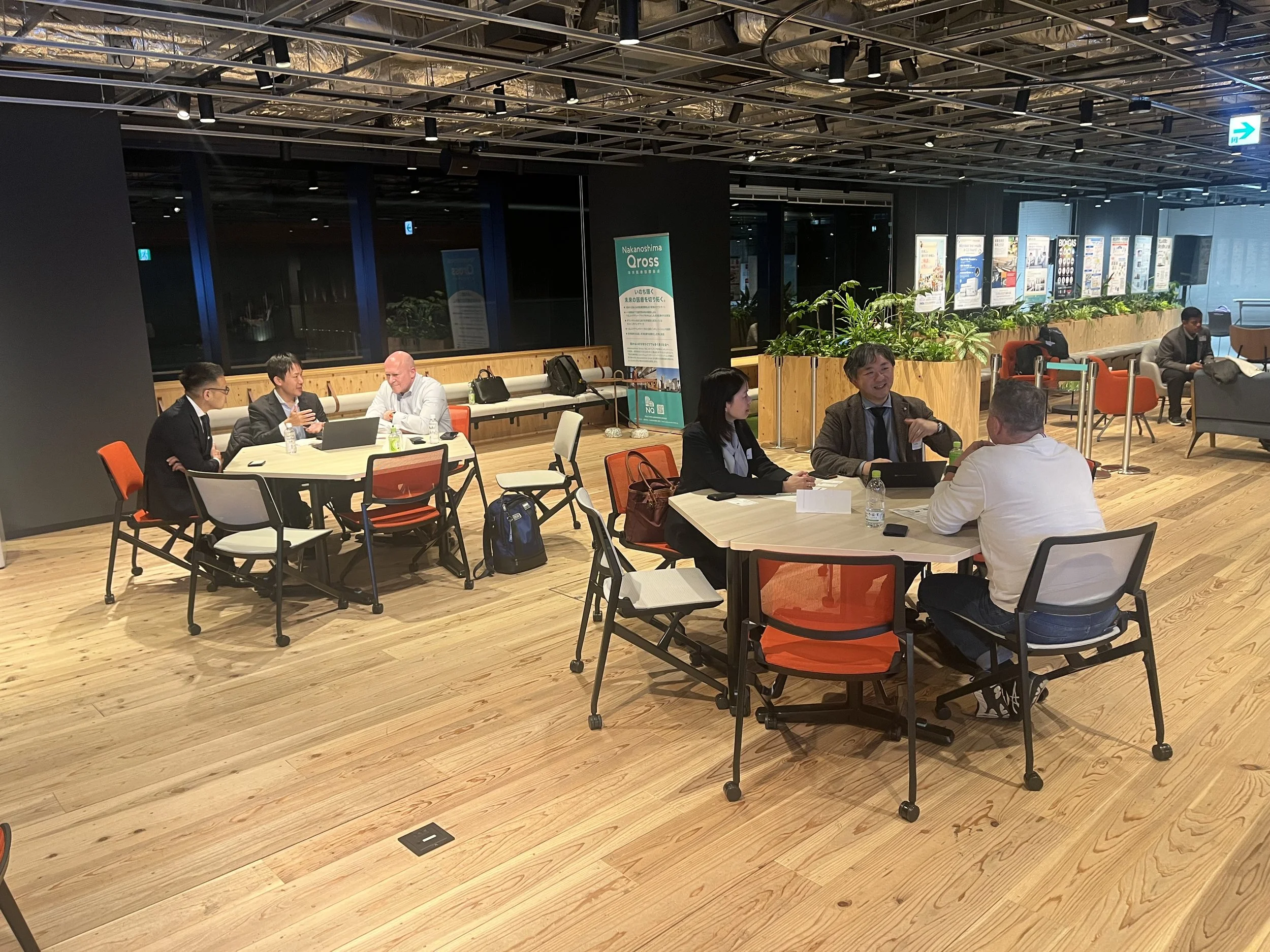
After the workshop, founders rotated through two rounds of 30-minute sessions with mentors from organizations including Eli Lilly, AstraZeneca, EY, IQVIA, K&L Gates, Innovation Dojo, and Zimmer Biomet. The conversations were candid and practical, focusing on communicating value, understanding customers, and positioning within the healthcare ecosystem.
Christian’s Essentials: Focus Your Story
Boettcher began with simple, universal guidelines:
- One message per slide
- Readable font sizes
- Minimal, intentional use of color
From there, he walked through several elements investors expect to see. The first is the founding team—why they are qualified to address the problem and what insight or experience led them to the idea.
Next comes the problem definition. Founders often jump into technology, he noted, without clearly explaining the pain point or who experiences it. “What is the problem itself? And why does it matter?”
Only after establishing the problem should founders propose their solution and what differentiates it. He urged startups to evaluate the “graveyards” where companies that attempted similar ideas and stalled—and understand what went wrong.
Boettcher also highlighted the importance of financial clarity. Even non-financial founders must be able to explain revenue streams, cost structures, runway, and the logic behind market estimates. Overstated markets or vague assumptions erode credibility quickly.
Finally, he emphasized context awareness. With artificial intelligence (AI) accelerating innovation and policy changes influencing healthcare, strong founders show they understand how broader shifts affect their strategy.
Kristin’s First 60 Seconds: What Investors Listen For
Chen offered an investor’s perspective, noting that expectations have risen. “Venture capitalists now want retention, growth, and monetization signals early,” she said.
Sharing a four-pillar framework for evaluating a pitch, Chen stressed that she listens for all four within the first 60 seconds:
- A real, enduring problem
- A meaningful or growing market
- A scalable, tech-driven advantage
- A credible path to revenue
“If these elements aren’t clear within a minute, it’s hard for an investor to stay engaged,” she said.
To make the problem tangible, Chen urged founders to reference user research and analytics: interviews, surveys, user-generated content, and existing studies. Specific data points or quotes help quantify severity and show that founders understand the people they aim to serve.
She also recommended preparing two deck versions: a concise one for live delivery and a self-contained one for investors reviewing the pitch independently.
Pain, Markets, and Communication
During the Q&A session, a mentor asked how to quantify customer pain and how narrowly to define the target market. Chen suggested starting with an ideal customer profile and using qualitative and quantitative research to validate who feels the pain most. Boettcher offered a healthcare example: Japan’s diabetes-related hospitalizations can be quantified not only in medical costs but also lost productivity.
A biotech founder asked how to pitch when pharmaceutical companies are the paying customers, but patients benefit most. Boettcher explained that in areas like AI-driven drug discovery, startups must map a multilayered market—including pharma, biotechs, and government programs. Chen added that founders should be explicit about the sales cycle, decision-makers, and associated risks.
Another question focused on Japan-based founders pitching in English while simultaneously managing verbal, visual, and nonverbal communication. Chen emphasized practice, tailoring the story to each investor, and developing “executive presence.” Early-stage investors, she said, often bet on the founder as much as the idea. “If you don’t believe in yourself, how do you expect others to believe in you?”
Boettcher echoed the importance of rapport. Even strong products struggle if founders cannot communicate confidently and connect with the audience.
Platform for 2026 and Beyond
After the workshop, the mentoring sessions brought theory into practice. Founders and mentors sat together to refine slides, discuss specific markets, and explore potential collaboration pathways.
As the first HxD Mentor Day, the gathering added a valuable new dimension to HxD’s ongoing efforts to support digital health innovation across Japan. With the next major pitch opportunity coming in February, participating founders left with clearer stories, stronger decks, and a better understanding of what resonates with investors, especially in that critical first minute.
In a healthcare environment where technology and expectations are evolving quickly, these communication skills are becoming as essential as the innovations themselves.