Human Edge
As AI reshapes education and business, Minerva’s World Wise Executive Leadership Program builds leaders no algorithm can replicate.
Spend any time in a global boardroom or on an international call where the conversation keeps sliding past each side, and the same friction surfaces: technically skilled, strategically sharp leaders struggle to read the room, align perspectives, and build trust.
This is the cultural fluency gap that influences how leaders confront uncertainty, interpret differences, and define their own role in a complex world where the role of artificial intelligence (AI) is growing rapidly. More than a soft skill, cultural fluency is the difference between influence and irrelevance for today’s executives.
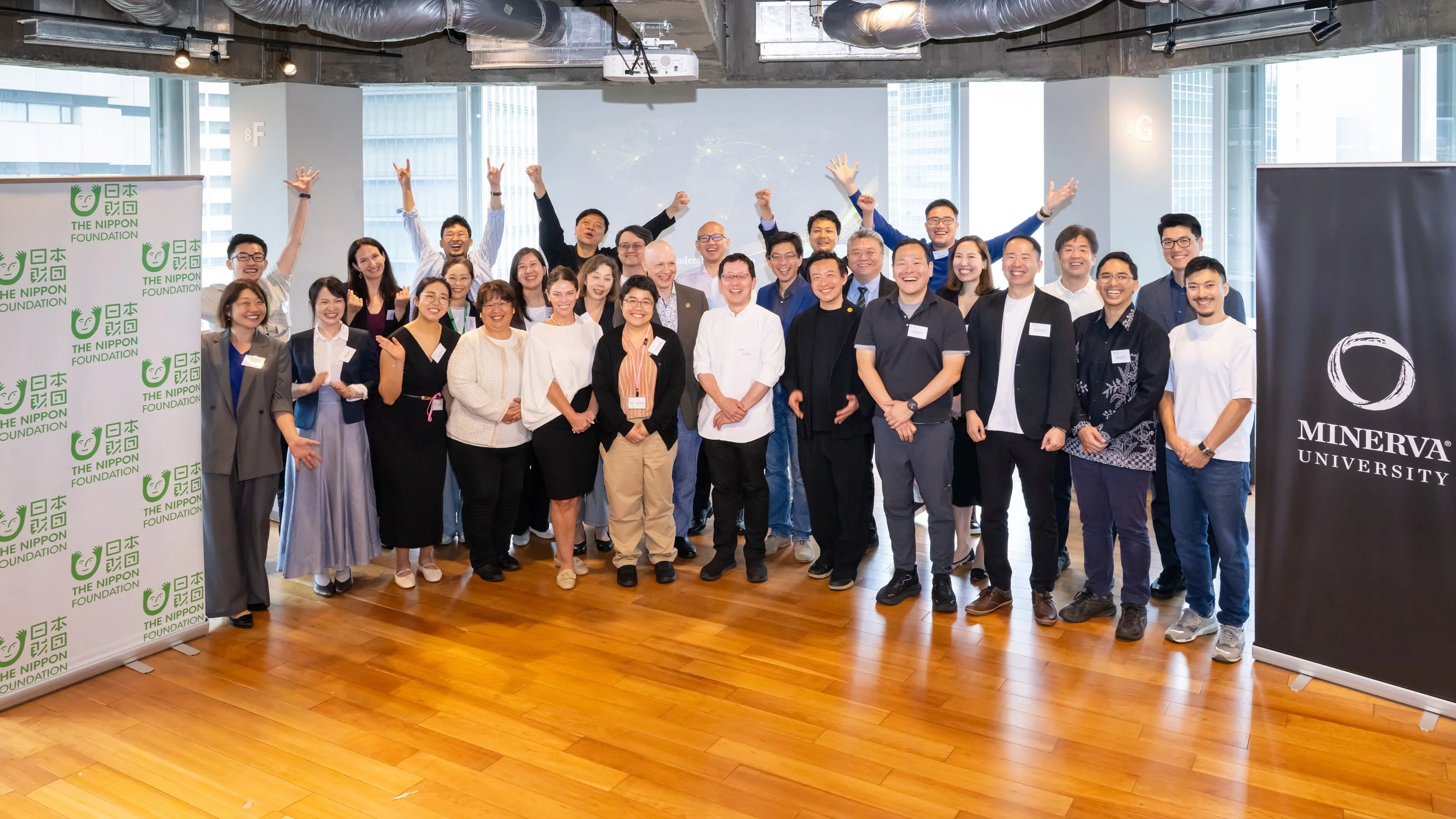
Developed with support from the Nippon Foundation, Minerva University’s World Wise Executive Leadership Program is designed for mid- to senior-level professionals who want to lead with confidence across cultures, regions, and global environments. The inaugural cohort of World Wise Executives kicked off in Tokyo this summer, bringing together 20 professionals from eight countries.
For World Wise participant and NGO professional Ayako Tamura, the Tokyo kickoff challenged long-held assumptions and offered “a refreshing sense of intellectual disruption in the best possible way.”
The Cultural Fluency Gap
As organizations expand across borders, leadership effectiveness increasingly depends on the ability to adapt. Culture shapes trust, decision-making, hierarchy, and communication, and leaders who understand this operate at a fundamentally different level from those who don’t. Without cultural understanding, misalignment persists, trust erodes, and performance suffers. World Wise is built on the premise that cross-cultural leadership is a learnable skill developed through structured, immersive experience.
Practice-Based Approach
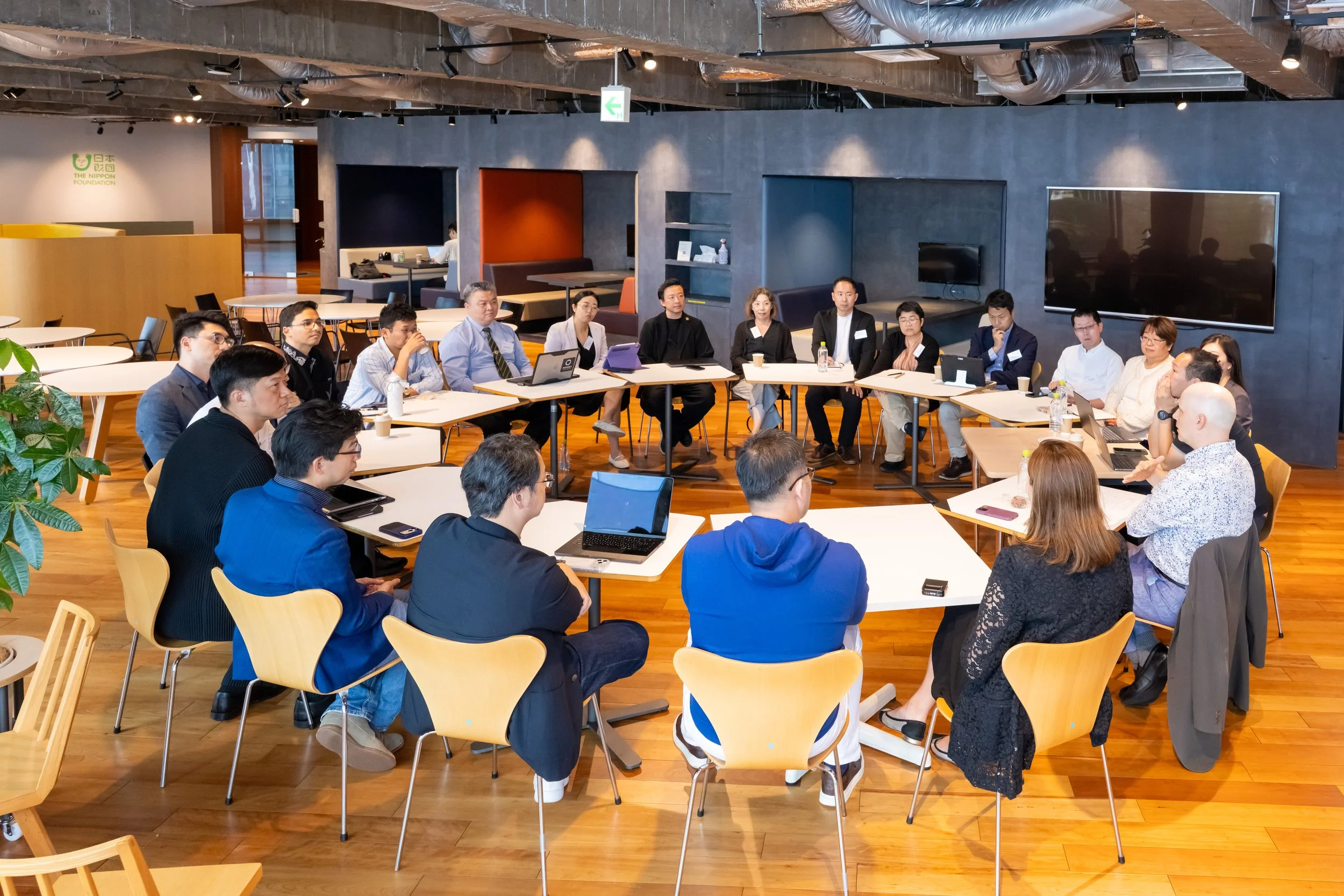
Built on Minerva’s active learning model of no lectures ever, the program delivers every session as an interactive, discussion-based experience. Over six months, participants engage in weekly classes focused on leading teams across borders, developing adaptive communication techniques, and making high-stakes decisions in complex, interdependent systems. The program blends live virtual seminars with a diverse regional cohort, in-person leadership accelerators in international cities, and real-world simulations. Participants are challenged to navigate ambiguity, test their assumptions, and refine their thinking alongside peers from around the world.
For Satrio Wicaksono, a conservation leader working across Asia and a member of the inaugural cohort, this emphasis on practical application is what distinguishes World Wise: “I was looking for an executive program that zeroes in on systems thinking, AI-assisted decision-making, and impactful leadership, and the World Wise curriculum fits that bill perfectly.” Familiar with Minerva’s reputation from his time at Brown and Wesleyan, Satrio was especially drawn to Minerva’s active, lecture-free approach.
Leadership in the Age of AI
As AI reshapes education, business, and society, leadership capability is becoming more human, not less. AI can analyze markets and draft strategies, but it cannot read a room, build trust across cultures, or make judgment calls where values collide. As machines absorb routine analytical work, the premium shifts decisively to the human side of leadership. Cultural fluency is the edge no algorithm can replicate.